

Charging
Maximize your range with EV Devil’s premium charging arsenal. We stock only high-output home stations, durable portable adapters, and seamless cable management systems built for relentless reliability. Experience peak charging speeds and zero friction, ensuring your EV is always dialed in and ready to dominate the road.
Filter by Model
- Tesla Model Y (2)
- Tesla Model 3 (2)
- Tesla Model S (1)
- Tesla Model X (1)
- Tesla Cybertruck (1)
Filter by Generation
Price filter
Showing all 2 results

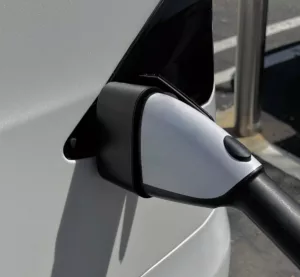
Tesla CCS1 & J1772 Combo Adapter – Charge at Multiple Networks (2021–Present)
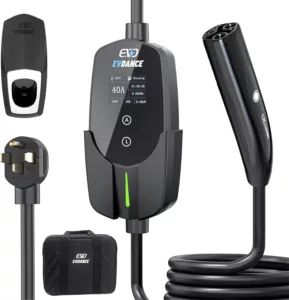
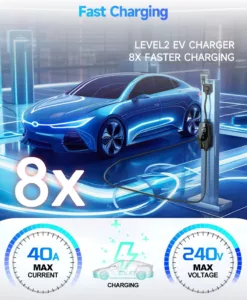
Tesla Model 3 & Model Y Level 2 EV Charger – Fast Home Charging (2020–2026)
Understanding EV Charging
EV charging equipment can range from a simple portable charger to a permanently installed home charging station, with different products serving different charging environments and vehicle requirements.
For everyday home charging, a Level 2 home charger can provide substantially faster charging than a standard household outlet and is often the most convenient option for drivers who regularly charge at home. Portable EV chargers provide greater flexibility, allowing drivers to charge from compatible outlets at home, work or while travelling.
Charging cables and adapters help connect vehicles to compatible charging equipment, while wall mounts, connector holders and cable-management accessories keep charging equipment organized and accessible.
The right charging setup depends on several factors, including your vehicle's charging capability, connector type, available electrical supply, desired charging speed and where you normally charge. A higher-rated charger or cable does not necessarily make an EV charge faster if the vehicle or electrical supply is the limiting factor.
Before purchasing charging equipment, check the specifications of both your EV and the charging equipment to ensure that the connector, electrical requirements and charging capacity are compatible.
Choosing the Right EV Charging Equipment
The best charging setup depends on how and where you use your EV. Start by considering your normal charging location, the vehicle's maximum charging capability and the electrical supply available at that location.
Home Charging
If you have a suitable electrical supply and regularly charge at home, a Level 2 home charging station can provide a convenient solution for overnight and routine charging. Depending on the charger and vehicle, home charging can offer significantly more power than charging from a standard household outlet.
Portable Charging
A portable EV charger can be useful as a secondary charging option or for drivers who need greater flexibility while travelling. Portable EVSE products can be used with compatible electrical outlets, subject to the charger's specifications and the available circuit capacity.
Charging Cables
A charging cable may be required to connect your vehicle to particular charging equipment. Connector type, cable rating and length should all be considered before choosing a cable.
Adapters
Charging adapters can provide compatibility between specific connector types or charging equipment, but they are not universal. Always verify that the adapter is specifically designed for the intended vehicle and charger combination.
Cable Management
Once you have a home charging setup, a wall mount, connector holder or cable-management accessory can help keep the charging area organized, reduce unnecessary cable strain and make the equipment easier to use.
EV Charging Connector & Compatibility
Charging compatibility depends on the connection used by the vehicle, the charging equipment and, in some cases, an adapter between them. Connector names can also vary by charging standard and market, so checking the exact specifications is important before ordering.
In the North American market, NACS is increasingly common, while J1772 remains widely used for AC charging. Other connector standards are used for different vehicles and markets.
When choosing charging equipment, check:
- Vehicle connector: Identify the connector supported by your EV.
- Charger connector: Confirm that the charging station or cable uses the connection required by your vehicle.
- Charging level: Make sure the equipment supports the type and power level you intend to use.
- Electrical requirements: Check voltage, amperage, plug type and circuit requirements for home or portable equipment.
- Adapter compatibility: If an adapter is required, verify that it is designed for the exact vehicle and charging-equipment combination.
A connector that physically fits does not automatically mean that two pieces of charging equipment are electrically or functionally compatible. Always check the manufacturer's specifications and the individual product's compatibility information before use.
Home, Portable and Public EV Charging
EV drivers commonly use a combination of charging options depending on their daily routine and travel needs.
Home charging is generally the most convenient option for regular charging when suitable electrical infrastructure is available. A dedicated Level 2 charging station can provide higher charging power than a standard household outlet and can be installed in a garage, driveway or other appropriate location.
Portable EV chargers provide greater flexibility because they can be carried with the vehicle and used with compatible power outlets. They can be particularly useful for travel, backup charging or locations where a permanent charging station is not available.
Public charging can provide higher-power charging for longer journeys and situations where faster charging is required. The cable or connector required depends on the charging station and the vehicle.
A practical EV charging setup may therefore include more than one type of equipment—for example, a home charging station for routine charging, a portable EVSE for travel and an appropriate cable or adapter for additional charging locations.
Charging Cables, Adapters and Accessories
A charging setup often requires more than the charger itself. The right cable, adapter and supporting accessories can make charging easier and more convenient while helping keep equipment organized.
Charging cables should be selected according to the vehicle connector, charging application, current rating and required length. A cable with a higher capacity does not necessarily increase charging speed if the vehicle or charging source supports less power.
Charging adapters are designed for specific connection combinations and should only be used where the manufacturer confirms compatibility. Avoid assuming that an adapter is suitable simply because both connectors appear physically compatible.
Wall mounts and cable-management accessories provide a dedicated place to store the charging cable and connector between charging sessions. This can help keep cables off the floor, reduce clutter and make the charging area easier to use.
For portable setups, consider the storage and handling requirements of the cable and charger as well. Keeping connectors protected and cables stored correctly can help maintain the equipment over time.
Keeping Your EV Charging Setup Organized
Charging equipment is used frequently, so a well-organized charging area can make everyday use considerably easier. Wall mounts, cable hooks, connector holders and other cable-management accessories provide dedicated storage for charging cables and connectors when they are not in use.
When choosing cable-management equipment, consider the weight and length of the charging cable, the dimensions of the connector, the available mounting surface and where the charger is installed.
For a garage or dedicated charging area, mounting the cable and connector within easy reach can help prevent the cable from being left on the floor or exposed to unnecessary wear. Outdoor installations may also require products and mounting locations suitable for the surrounding environment.
Cable management does not increase charging speed, but it can make a charging setup cleaner, easier to use and more convenient for everyday EV ownership.
Frequently Asked Questions
What type of EV charger do I need?
The right charger depends on your vehicle, where you charge and the electrical supply available. For regular home charging, many EV owners choose a Level 2 charging station, while portable EVSE products can provide additional flexibility for travel or backup charging.
Is Level 2 charging faster than a standard household outlet?
Generally, yes. Level 2 charging uses a higher-voltage electrical supply and can provide substantially more charging power than Level 1 charging from a standard household outlet. Actual charging speed depends on the charger, electrical circuit and vehicle.
How do I know which charging cable fits my EV?
Check the connector used by your vehicle and the connector required by the charging equipment. You should also verify the cable's current rating and charging application before purchasing.
Do I need an adapter to charge my EV?
Not necessarily. An adapter is only required when the vehicle and charging equipment use connector combinations that are not directly compatible and an appropriate adapter exists. Always confirm compatibility before using one.
Does a higher-amperage charging cable charge an EV faster?
Not by itself. Charging speed is limited by factors including the vehicle's onboard charger, the charging equipment and the available electrical supply. A higher-rated cable can provide additional capacity, but it does not override those limitations.
Can I use a portable EV charger as my main home charger?
Some portable EVSE products can be suitable for regular home charging when used with an appropriate electrical supply, but they serve a different purpose from permanently installed charging stations. Check the product's electrical requirements and installation instructions.
What is NACS?
NACS, or the North American Charging Standard, is a charging connector and interface used by Tesla and increasingly adopted across the North American EV market. The exact charging capability still depends on the vehicle, charging equipment and applicable charging standard.
How should I store my EV charging cable?
Store the cable in a clean, dry location away from unnecessary bending, crushing or abrasion. A suitable wall hook, holder or cable-management system can keep the cable organized between charging sessions.
Explore EV Charging Products
Choose the charging equipment that matches your vehicle and charging needs:
Home Chargers & Charging Stations
Permanent and home-focused charging solutions for convenient everyday charging.
Charging Cables
Cables for connecting compatible EVs and charging equipment, available in different connector types, ratings and lengths.
Portable EV Chargers (EVSE)
Portable charging equipment for flexible home, travel and backup charging.
Adapters
Connector adapters for specific compatible vehicle and charging-equipment combinations.
Wall Mounts, Holders & Cable Management
Mounting and storage solutions for keeping chargers, connectors and charging cables organized.
Explore the individual categories above to compare products and find equipment suited to your EV and charging setup.